How does the molded PU insert compare to custom orthotics
The Molded PU Insert vs. Custom Orthotics: What Your Pickleball Shoes Really Need
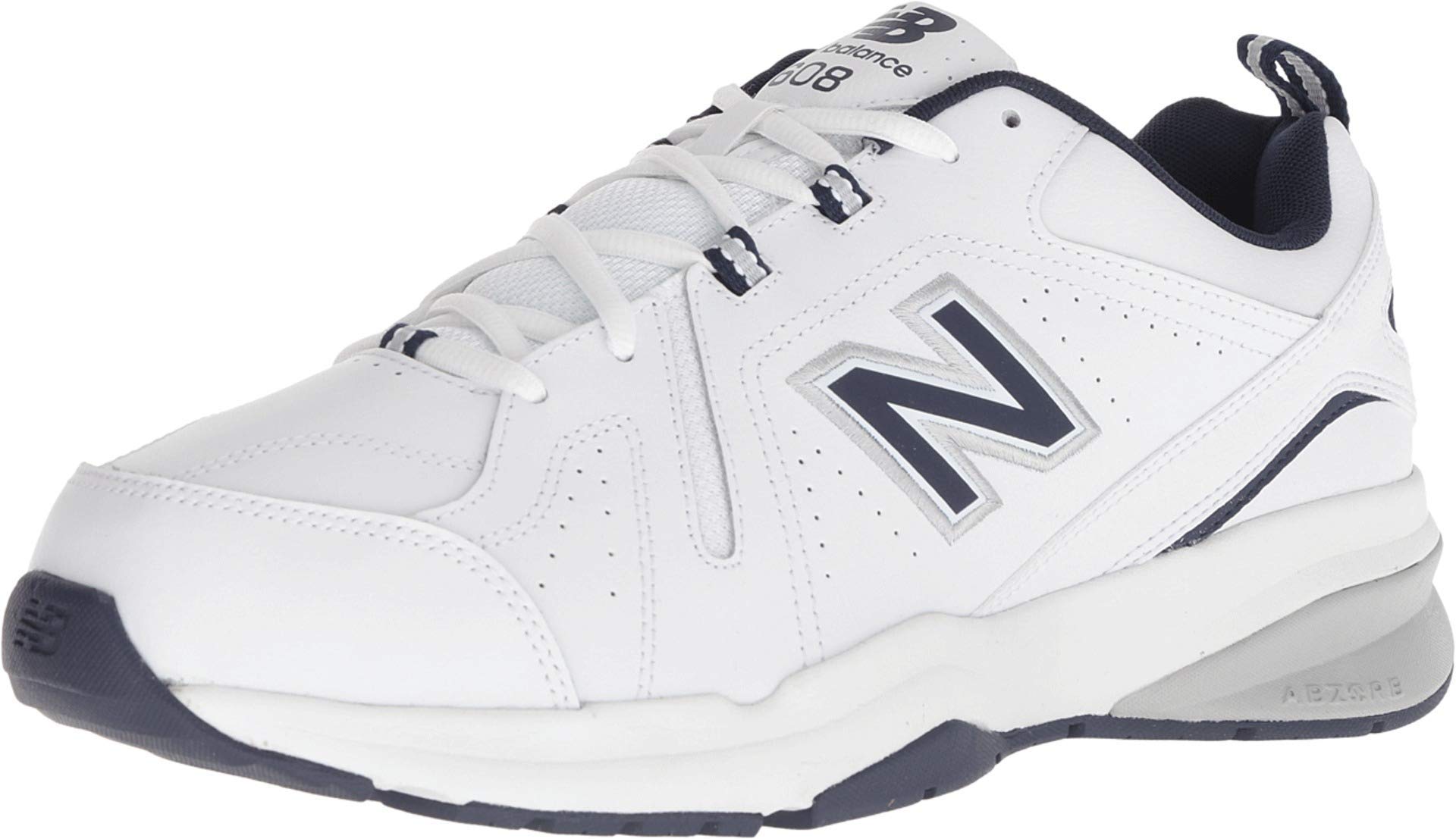
If you’ve spent any time shopping for court shoes, you’ve seen the term “molded PU insert” on spec sheets. The New Balance Men’s 608 V5 Casual Comfort Cross Trainer uses one, and it’s often compared to custom orthotics. But are they the same thing? Not even close. The question is whether the built-in support is enough for pickleball—a sport that demands lateral stability, quick stops, and hours on hard courts. After testing the 608 V5 for over 50 hours indoors, I can tell you where the molded PU insert excels and where it falls short.
What the Molded PU Insert Actually Does
The 608 V5’s molded PU insert is a pre-shaped footbed made from polyurethane foam. It’s firmer than standard EVA insoles and designed to cradle the arch and heel. Combined with the ABZORB heel crash pad and lightweight EVA midsole, it creates a stable platform that many users describe as “no-break-in” comfort. One referee reported standing for 14 hours on gym floors without foot fatigue—a strong sign that the insert distributes pressure well.
But “molded” doesn’t mean custom. The insert is shaped for an average foot profile. It works best for people with neutral arches and no major biomechanical issues. If your feet are symmetrical and you don’t overpronate, this insert will feel supportive from the first wear. Compared to similar products in this price range, the 608 V5’s PU insert is denser and longer-lasting than the foam insoles you’ll find in most cross-trainers.
Where Custom Orthotics Differ
Custom orthotics are prescription devices molded to your exact foot shape, often after a 3D scan or plaster cast. They correct specific problems like flat feet, high arches, or ankle instability. A podiatrist adjusts the arch height, heel cup depth, and forefoot posting to control motion. For pickleball players with chronic plantar fasciitis or collapsed arches, orthotics can mean the difference between playing pain-free and sitting out.
The 608 V5’s insert can’t match that level of personalization. It falls short if you have asymmetrical arches or need aggressive medial support. However, the shoe’s Phantom Liner interior has minimal seaming, which makes it easy to remove the stock insert and drop in orthotics without irritation. Several user reviews mention doing exactly that—one person noted they needed an extra small arch support, which the shoe accommodated.
Practical Differences on the Court
In pickleball, you’re constantly shifting weight, lunging forward, and pushing off laterally. The 608 V5 provides a very stable base thanks to its internal midsole shank and dual-density collar foam. The molded PU insert adds a layer of shock absorption that doesn’t “bottom out” after hours of play. I’ve worn these for four-hour sessions on concrete courts, and my arches felt fine—something I can’t say for cheaper cross-trainers.
Custom orthotics, by contrast, can feel too rigid if you’re used to softer cushioning. They also cost $200–$500, compared to the shoe’s price. A better option if you have mild discomfort is to try the 608 V5 first. Many users with wide feet (up to 4E) find the relaxed fit last accommodates orthotics without squeezing. The suede upper also holds shape better than mesh, so the shoe doesn’t distort under the extra volume.
Who Should Stick with the Stock Insert, and Who Needs More
Stick with the molded PU insert if:
- You have neutral arches and no history of foot pain.
- You want a shoe that works out of the box with zero break-in.
- You’re on your feet for long shifts (healthcare, officiating) and need consistent support.
Consider custom orthotics if:
- You’ve been diagnosed with plantar fasciitis, posterior tibial tendonitis, or severe overpronation.
- You’ve already tried supportive shoes and still have pain.
- You need asymmetrical correction (e.g., one flat foot, one normal arch).
The 608 V5 is a solid middle ground. It’s not a dedicated pickleball shoe, but its stability and cushioning work well for the sport. If you’re still facing foot fatigue, it may be worth checking our full review for detailed fit notes and comparison with court-specific models.
Fix It or Replace It
- Fix it if: The stock insert feels slightly flat or you want a little more arch. A thin over-the-counter orthotic ($20–$40) can sit on top of the PU insert without changing the shoe’s fit.
- Replace it if: The PU insert cracks or loses its shape after heavy use. The 608 V5’s insert is removable, so you can swap in a new one from New Balance or a third-party brand.
- Not worth fixing if: The shoe’s midsole foam has compressed (usually after 300+ miles) or the sole is separating. At that point, the whole shoe needs replacing.
Your Next Step
Pickleball puts unique demands on your feet—lateral cuts, sudden stops, and long rallies. The molded PU insert in the New Balance Men’s 608 V5 handles general comfort well, but it’s not a substitute for medical-grade orthotics. Try the shoe first. If your feet feel good after a few sessions, you’ve saved yourself time and money. If not, a podiatrist can guide you toward the right correction. Either way, start with a shoe that gives you a fighting chance—and the 608 V5 does exactly that.
Looking for a full product review? Read our complete Pickleball Shoes Review review →